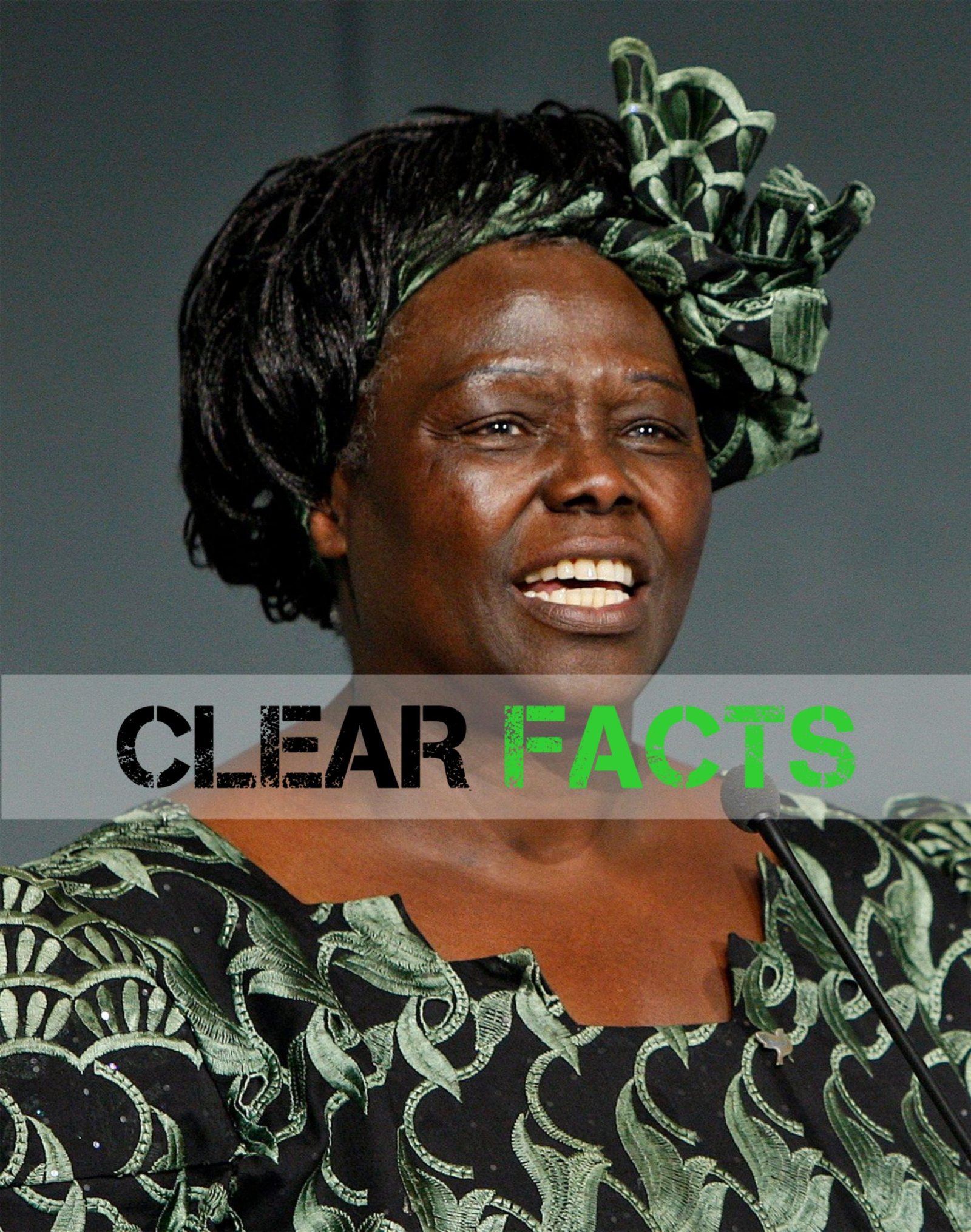
Wangari Muta Maathai was born on April 1, 1940, in Nyeri County, Kenya. She grew up in a rural village where she learned the value of nature and community. Her early education took place at local schools before she joined St. Cecilia’s Intermediate Primary School. She later benefited from the Kennedy Airlift Program, which allowed her to study in the United States. She earned a degree in Biological Sciences from Benedictine College in Kansas and a master’s degree in Biology from the University of Pittsburgh. She returned to Kenya and became the first woman in East and Central Africa to earn a PhD, which she obtained from the University of Nairobi.
She began her career as a lecturer at the University of Nairobi, where she taught veterinary anatomy. Her passion for the environment and women’s rights led her to start community projects that focused on conservation and empowerment. In 1977, she founded the Green Belt Movement, an organization that encouraged communities to plant trees to fight deforestation and improve livelihoods. Through this initiative, millions of trees were planted across Kenya, and women were given opportunities to lead in environmental conservation.
Her work extended beyond environmental issues. She became a strong voice for democracy, human rights, and social justice in Kenya. In 2002, she was elected as Member of Parliament for Tetu Constituency and later served as Assistant Minister for Environment and Natural Resources. Her leadership combined environmental activism with political action, making her a respected figure both locally and internationally.
Wangari Maathai received many awards for her achievements. In 2004, she was awarded the Nobel Peace Prize, becoming the first African woman to receive the honor. She also received the Goldman Environmental Prize, the UNEP Global 500 Award, and several honorary degrees from universities around the world. These recognitions highlighted her role in linking environmental conservation with peace and sustainable development.
She balanced her public life with her personal responsibilities as a mother of three children. Despite facing challenges, including political opposition and personal struggles, she remained committed to her mission. She continued to live and work in Nairobi, where the Green Belt Movement headquarters were based.
Wangari Maathai passed away on September 25, 2011, at the age of 71. Her success is remembered not only through the awards she won but also through the lasting impact of her work. She left behind a legacy of environmental stewardship, women’s empowerment, and courage in the face of adversity. Her life story continues to inspire people across the world to protect nature and fight for justice.
Wangari Maathai Origins and Rural Childhood
Wangari Maathai was raised in the lush, rolling hills of the central highlands of Kenya, specifically in the village of Ihithe within Nyeri County. Growing up in a traditional Kikuyu household, she developed an early and profound connection with the natural world. Her father worked as a tenant farmer on a white-owned estate in the Rift Valley, while her mother tended to the family’s subsistence crops. During these formative years, she witnessed the vibrant biodiversity of the region, including clean flowing streams and fertile soil, which later served as her baseline for environmental health.
The values of her community deeply influenced her outlook on life. She often recalled the sacred fig trees that were respected by her people, a symbol of the deep-seated cultural reverence for nature that she would later champion globally. Despite the gender norms of the time, her older brother Nderitu advocated for her education, leading her parents to enroll her in school at a young age. This pivotal decision allowed her to escape the limited paths usually available to rural girls. Her childhood was defined by a balance of domestic duties and an burgeoning academic curiosity, setting the stage for a woman who would eventually bridge the gap between indigenous wisdom and modern scientific practice.
Wangari Maathai Academic Path and Scholarly Achievements
Wangari Maathai began her formal education at St. Cecilia’s Intermediate Primary School, a mission-run boarding school where she became fluent in English and converted to Catholicism. Her academic brilliance was evident early on, as she consistently ranked at the top of her class. This excellence eventually paved the way for her to join the Loreto High School in Limuru, the only Catholic high school for girls in Kenya at the time. In 1960, her journey took a monumental turn when she was selected for the “Kennedy Airlift,” a program designed to provide high-level education to promising African students in the United States.
In America, she attended Mount St. Scholastica College (now Benedictine College) in Kansas, where she earned a Bachelor of Science in Biology. She continued her studies at the University of Pittsburgh, obtaining a Master’s degree in Biological Sciences. Her return to Kenya marked the beginning of another historic chapter; in 1971, she became the first woman in East and Central Africa to earn a PhD, receiving her doctorate in veterinary anatomy from the University of Nairobi. These milestones were not merely personal wins but served as a powerful challenge to the patriarchal structures of the academic world. Her education equipped her with the scientific authority to advocate for the environment with undeniable expertise.
Wangari Maathai Initial Professional Ventures and Advocacy
Wangari Maathai launched her professional career at the University of Nairobi, where she broke further barriers by becoming the first woman to chair a department and the first female associate professor in the region. While her primary work was in the field of veterinary anatomy, her interests quickly expanded into civic activism. She became deeply involved in the National Council of Women of Kenya (NCWK), where she began to notice a troubling trend: rural women were struggling with a lack of firewood, clean water, and nutritious food. She realized that these problems were directly linked to the rapid degradation of the local environment.
Her early advocacy was focused on the intersection of women’s rights and ecological health. She argued that empowering women to restore their surroundings was the key to solving both poverty and environmental decline. This period was characterized by a shift from pure academia to grassroots mobilization. She began experimenting with small-scale tree-planting projects, which were initially met with skepticism by the male-dominated political elite. Despite this, she remained undeterred, using her position at the university and her influence within the NCWK to build a foundation for what would eventually become a worldwide movement. These early professional years were the testing ground for her unique philosophy of holistic development.
Wangari Maathai Founding of the Green Belt Movement
Wangari Maathai officially established the Green Belt Movement in 1977, a grassroots organization that would change the face of environmental activism in Africa. The movement began with a simple yet revolutionary idea: encouraging rural women to plant trees to combat deforestation and soil erosion. By providing women with a small stipend for every seedling that survived, she created a sustainable model for economic empowerment. This initiative was not just about the environment; it was a tool for civic education and the promotion of democratic values at the local level.
The impact of the movement was immediate and widespread. Over the following decades, the organization mobilized thousands of women to plant more than 50 million trees across Kenya. This massive reforestation effort helped restore watersheds and improve food security for countless families. However, the movement’s success also brought her into direct conflict with the authoritarian government of Daniel arap Moi. She famously led protests against the construction of a skyscraper in Nairobi’s Uhuru Park and the privatization of Karura Forest. Her ability to link the act of planting a tree with the broader fight for human rights and transparency remains the core of her enduring influence.
Wangari Maathai Legislative Service and Political Contributions
Wangari Maathai transitioned into formal politics in 2002, a year that marked a significant shift in Kenya’s democratic landscape. She contested and won the parliamentary seat for the Tetu Constituency with an overwhelming majority of 98 percent of the vote. Her entry into the National Assembly was seen as a victory for the environmental and civil society sectors. Soon after, she was appointed as the Assistant Minister for Environment and Natural Resources in the government of President Mwai Kibaki. In this role, she worked to integrate her grassroots environmental principles into national policy.
During her time in parliament, she was a vocal advocate for sustainable development, forest protection, and the promotion of democratic governance. She used her platform to highlight the importance of the Congo Basin Forest Ecosystem and worked on regional initiatives to safeguard Africa’s natural resources. While her political career was relatively short—serving only one term until 2007—her impact was profound. she demonstrated that an activist could successfully navigate the corridors of power without compromising their core values. Her tenure in government was characterized by the same courage she showed in the trenches, as she continued to challenge land grabbing and corruption from within the system.
Wangari Maathai International Honors and Nobel Peace Prize
Wangari Maathai reached the pinnacle of global recognition in 2004 when she was awarded the Nobel Peace Prize. This historic achievement made her the first African woman and the first environmentalist to receive the prestigious honor. The Nobel Committee praised her for her holistic approach to sustainable development, which embraced democracy, human rights, and women’s rights. In her acceptance speech, she famously noted that “the tree became a symbol for the democratic struggle in Kenya,” cementing the link between ecological health and a peaceful society.
Beyond the Nobel Prize, her career was marked by a long list of international accolades. She received the Goldman Environmental Prize, the UNEP Global 500 Award, and the Indira Gandhi Peace Prize, among many others. These awards were not just personal trophies but served to validate the work of the thousands of women in the Green Belt Movement. She became a sought-after speaker on the global stage, advising the United Nations and serving as a Goodwill Ambassador for various international causes. Her ability to communicate complex environmental issues in a way that resonated with both world leaders and rural villagers was a key factor in her worldwide success.
Wangari Maathai Family Dynamics and Personal Struggles
Wangari Maathai navigated a personal life that was as challenging as her public one. She married Mwangi Mathai, a Kenyan politician, in 1969, and together they had three children: Waweru, Wanjira, and Muta. However, the marriage was strained by the pressures of her rising career and her refusal to conform to the traditional, submissive role expected of women at the time. The couple eventually divorced in a highly publicized and controversial court case in the late 1970s. During the proceedings, her husband famously accused her of being “too educated” and “uncontrollable,” a sentiment that reflected the deep-seated gender biases of the era.
Following the divorce, she faced significant financial hardship and social stigma. At one point, she was even jailed for three days after she criticized the judge’s ruling in her case. Despite these setbacks, she remained a devoted mother, often involving her children in her activism. Her daughter, Wanjira Mathai, would eventually follow in her mother’s footsteps, becoming a prominent environmental leader in her own right. Wangari’s personal journey was a testament to her resilience; she transformed the pain of her public divorce into a source of strength, even going so far as to add an extra ‘a’ to her surname to distinguish herself as a woman of her own making.
Wangari Maathai Financial Status and Measure of Success
Wangari Maathai never equated her personal success with the accumulation of material wealth. Instead, she viewed her “net worth” through the lens of the millions of trees planted and the thousands of lives transformed by the Green Belt Movement. While she lived a comfortable life supported by her academic positions, government salary, and international awards, she funneled much of her resources back into her activism and various charitable foundations. Her success was built on a foundation of intellectual capital, moral authority, and a vast network of global influence.
Her true legacy lies in the shift she catalyzed in the global understanding of the environment. She successfully moved the conversation away from viewing conservation as a luxury for the rich and toward seeing it as a necessity for the poor. By the time of her passing in 2011, she was recognized as a pioneer of the “green economy” and a key architect of the link between environmental justice and peace. Her success is measured by the fact that the Green Belt Movement continues to thrive today, inspiring a new generation of activists to take up the mantle of sustainability. She proved that one individual’s commitment to a cause could indeed change the world.
Wangari Maathai Enduring Influence and Environmental Legacy
Wangari Maathai left behind a legacy that continues to shape environmental and political thought across the globe. The Green Belt Movement remains a vibrant and active organization, carrying on her mission of reforestation and community empowerment. Her life’s work provided the blueprint for many of the Sustainable Development Goals that define international policy today. She is remembered not just as “The Woman Who Planted Trees,” but as a visionary who saw that the health of the earth is inextricably linked to the health of our democracies.
Her memory is honored through various institutions, most notably the Wangari Maathai Institute for Peace and Environmental Studies at the University of Nairobi. This institute was established to ensure that her holistic approach to sustainability is passed on to future leaders. Around the world, schools, parks, and awards have been named in her honor, keeping her spirit alive in the hearts of activists everywhere. She remains a powerful symbol of courage for those fighting against land grabbing, corruption, and climate change. Her future prospects live on through the millions of “hummingbirds”—as she called them—who continue to do their small part to protect the planet.
Wangari Maathai Age (Tracing the Temporal Path of a Historic Life)
Wangari Maathai was born on April 1, 1940. She lived until September 25, 2011, and the final Wangari Maathai age was 71 years.
Wangari Maathai Husband (Examining the Marital Ties and Personal Associations)
Wangari Maathai was married to Mwangi Mathai. He was a Kenyan businessman and a politician who served as a Member of Parliament for the Lang’ata constituency. The couple married in 1969 and shared three children. They formally divorced in 1979.
Wangari Maathai Cause of Death (A Review of the Circumstances Surrounding Her Passing)
Wangari Maathai died from complications associated with ovarian cancer. She passed away on September 25, 2011, while receiving medical treatment at the Nairobi Hospital. Her health declined following a long period of battling the disease.
Wangari Maathai Nobel Prize (The Global Recognition of Extraordinary Environmental Contributions)
Wangari Maathai was awarded the Nobel Peace Prize in 2004. She received this honor for her efforts regarding democracy, peace, and sustainable development. This award established her as the first woman from Africa to win a Nobel Prize. The Nobel Committee formally recognized her on October 8, 2004.
Wangari Maathai Children (Profiling the Next Generation within the Family Sphere)
Wangari Maathai was the mother of three children. Her family included a daughter named Wanjira and two sons named Waweru and Muta. All three of her children have been active in preserving their mother’s environmental and social legacy. Waweru Mathai is an attorney, while Wanjira Mathai is a prominent environmental activist.
Wangari Maathai Nationality (Confirming Sovereign Identity and Legal State Allegiance)
Wangari Maathai held Kenyan nationality. She was born in Nyeri, which was part of the British colony of Kenya at the time of her birth. Following the country’s independence, she remained a citizen of the Republic of Kenya throughout her life. Her national identity was central to her roles as a Kenyan legislator and environmental advocate.
Wangari Maathai Tribe (Cultural Roots and Ancestral Heritage within the Community)
Wangari Maathai was a member of the Kikuyu tribe. This ethnic group is the most populous in Kenya and is primarily concentrated in the central highlands of the country. Her heritage and the cultural values of the Kikuyu people deeply influenced her approach to environmental conservation. These roots remained a defining aspect of her identity throughout her international career.
Wangari Maathai Profile Table (A Concise Tabular View of Fundamental Identity Data)
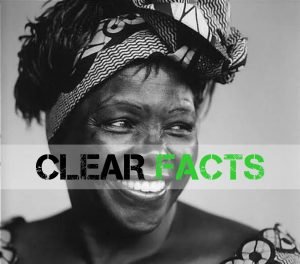
| Profile | Information |
| Wangari Maathai career | Environmentalist, Political Activist, Legislator, Professor |
| Wangari Maathai real name | Wangari Muta Maathai |
| Wangari Maathai age | 71 years (at time of death in 2011) |
| Wangari Maathai date of birth | April 1, 1940 |
| Wangari Maathai net worth | Not known |
| Wangari Maathai wife / spouse | Mwangi Mathai (married 1969; divorced 1979) |
| Wangari Maathai children | Wanjira Mathai, Waweru Mathai, Muta Mathai |
| Wangari Maathai parents | Muta Njugi (father), Wanjiru Kibicho (mother) |
| Wangari Maathai religion | Christian (Catholic) |
| Wangari Maathai state of origin | Nyeri County, Kenya |
| Wangari Maathai alma mater | University of Nairobi, University of Pittsburgh, Benedictine College |
| Wangari Maathai education | PhD in Veterinary Anatomy, MS in Biological Sciences, BS in Biology |
| Wangari Maathai nationality | Kenyan |
Leave a Reply