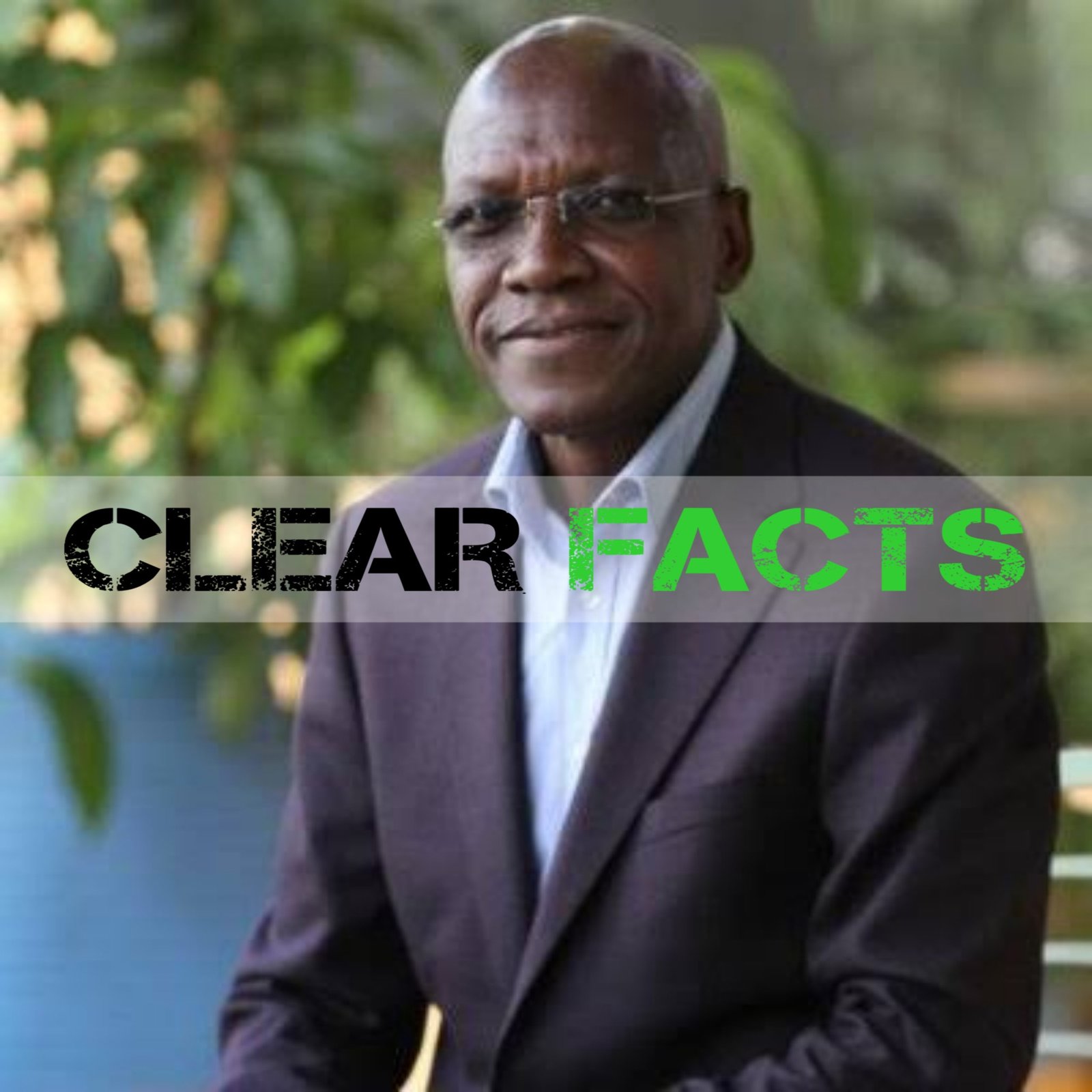
Bonny Khalwale was born on August 5, 1960, in Malinya, Kakamega County, Kenya. He grew up in Western Kenya and attended Malinya Primary School from 1967 to 1974. He later joined Musingu High School between 1975 and 1978 and then proceeded to Kakamega High School for his A-levels from 1979 to 1980. His strong academic performance earned him admission to the University of Nairobi, where he studied medicine and graduated as a doctor. He specialized in obstetrics and gynecology and worked as a medical officer before entering politics.
He began his political career in 2002 when he was elected Member of Parliament for Ikolomani Constituency. He quickly became known for his fearless debates and his role in pushing for accountability in government. He served as Chair of the Public Accounts Committee in Parliament, where he led censure motions against high-profile cabinet ministers. His oversight work earned him recognition as a strong defender of transparency.
In 2013, Bonny Khalwale was elected Senator for Kakamega County. He served until 2017 and later returned to the Senate in 2022 after winning the seat again under the United Democratic Alliance. He currently serves as the Deputy Majority Whip in the Senate, where he continues to play a key role in national politics. His leadership has been marked by his ability to speak boldly on issues affecting Kenyans and his commitment to grassroots development.
His achievements include championing healthcare reforms, supporting education, and advocating for better governance. He has also been active in community projects in Kakamega, where he has maintained close ties with his constituents. His nickname “the bullfighter” reflects his fearless approach to politics and his willingness to challenge powerful figures.
Bonny Khalwale is married and has children. He balances his public life with family responsibilities and remains connected to his roots in Kakamega. At sixty-five years old, he continues to live and work in Nairobi while representing Kakamega County in the Senate. His success is measured by his long service in politics, his influence in national debates, and his dedication to accountability and development. His journey from a village in Malinya to the national stage shows resilience, determination, and a lifelong commitment to serving the people of Kenya.
Bonny Khalwale Foundations and Formative Heritage
The story of this prominent leader begins in the heart of Western Kenya, specifically in Malinya, Ikolomani. Growing up in Kakamega County, Bonny Khalwale was immersed in the cultural traditions of the Luhya community from a young age. His childhood in rural Kenya was marked by the typical challenges and triumphs of a village upbringing, which later fueled his passion for grassroots advocacy. He was raised in a family that valued hard work and communal responsibility, traits that would become the hallmark of his public persona.
His early life in Ikolomani provided him with a firsthand look at the socio-economic needs of his people. This foundational period was critical in shaping his identity as a champion for the common man. He often reflects on his roots during political rallies, connecting his personal history to the struggles and aspirations of his constituents. The resilience he developed in these formative years eventually propelled him toward a career in medicine and later into the high-stakes arena of national politics.
Bonny Khalwale Academic Journey and Scholarly Pursuits
Education served as a vital bridge for this leader, taking him from the local schools of Kakamega to the prestigious halls of the capital. Bonny Khalwale attended Malinya Primary School before proceeding to Musingu High School for his initial secondary education. He later moved to Kakamega High School to complete his A-levels, where he excelled academically. His performance earned him a coveted spot at the University of Nairobi, the country’s premier institution for medical training.
While at university, he dedicated himself to the rigors of medical school, successfully earning a Bachelor of Medicine and Bachelor of Surgery (MBChB) in 1987. This academic milestone was not just a personal achievement but a source of pride for his community. His specialization in obstetrics and gynecology further demonstrated his commitment to addressing critical health needs. This strong educational background provided him with the analytical skills and professional credibility that would later serve as a solid platform for his transition into the political landscape.
Bonny Khalwale Early Professional Path and Healthcare Service
Before entering the political fray, this individual established a significant legacy in the medical field. Bonny Khalwale began his career as a medical officer, serving in various public health facilities across the country. His early professional years saw him working in Mombasa and later returning to his home region to open a private practice in Kakamega. This period was defined by direct service to the people, where he witnessed the systemic gaps in the healthcare sector that local communities faced daily.
As a practicing doctor, he earned the trust of his patients through dedication and a hands-on approach to medicine. His time in clinical practice was not merely about treating ailments; it was about understanding the lived experiences of those in Western Kenya. This professional chapter provided him with a unique perspective on public service, convincing him that the most effective way to improve lives was through legislative and policy reform. Consequently, his transition from the consultation room to the political platform was viewed by many as a natural extension of his healing mission.
Bonny Khalwale Ministerial Leadership and Executive Roles
The transition into elective politics saw this medical professional quickly rise through the ranks of the legislature. Bonny Khalwale first won the Ikolomani parliamentary seat in 2002 under the NARC ticket, marking the start of a long and vocal career in the National Assembly. He became widely known for his tenure as the Chairman of the Public Accounts Committee (PAC). In this role, he gained a reputation as a fierce defender of public funds, famously leading censure motions against high-profile cabinet ministers accused of corruption.
His political journey evolved as he moved from the National Assembly to the Senate, winning the Kakamega senatorial seat in 2013. Although he took a brief hiatus from elective office after 2017, he made a triumphant return in 2022, securing the Senate seat once again under the United Democratic Alliance (UDA). In the current administration, he serves as the Majority Whip in the Senate. This position allows him to coordinate legislative business and maintain party discipline, further solidifying his status as a key player within the Kenya Kwanza coalition.
Bonny Khalwale Significant Contributions and Policy Impact
Throughout his tenure in various legislative houses, this leader has been a consistent voice for transparency. Bonny Khalwale is credited with revitalizing the oversight role of parliamentary committees, ensuring that the executive branch remained accountable to the taxpayers. His “bullfighter” moniker reflects his fearless approach to debating sensitive issues and confronting powerful figures. Beyond oversight, he has been a vocal advocate for the sugar industry in Western Kenya, fighting for the rights of farmers and the revival of local factories.
In the Senate, his contributions have often focused on devolution and the equitable distribution of resources to the counties. He has sponsored and supported numerous bills aimed at improving healthcare delivery and infrastructure development at the grassroots level. His ability to blend his medical expertise with legislative savvy has resulted in meaningful discussions on maternal health and public sanitation. By consistently championing these causes, he has ensured that the needs of Kakamega County remain at the forefront of the national development agenda.
Bonny Khalwale Private Sphere and Personal Values
Away from the cameras and the floor of the Senate, this politician leads an expansive and deeply rooted family life. Bonny Khalwale is a practitioner of polygamy and has openly shared details about his multiple wives and many children. He is known for celebrating the academic and personal successes of his children on social media, often sharing their examination results and graduation photos. This openness about his family has made him a relatable figure to many who value traditional social structures and parental involvement.
His personal values are deeply tied to the traditions of the Luhya people, particularly the cultural sport of bullfighting, from which he draws his popular nickname. He views these traditions as essential to the identity and unity of his community. Despite his busy political schedule, he maintains a strong presence in his rural home, participating in local events and family gatherings. This balance between his high-pressure career in Nairobi and his traditional life in Kakamega highlights a man who remains firmly connected to his heritage and personal convictions.
Bonny Khalwale Spheres of Influence and Professional Reach
The impact of this veteran politician extends across both national and regional levels of governance. Bonny Khalwale operates as a bridge between the central government in Nairobi and the local leadership in Kakamega. His influence within the UDA party and the broader Kenya Kwanza coalition makes him a critical intermediary for resource mobilization and political strategy. He is often called upon to mobilize support in Western Kenya, leveraging his grassroots popularity to advance national policies.
His reach is also evident in the medical community, where he remains a respected elder figure among healthcare professionals. By maintaining his medical credentials while serving in high-ranking political offices, he has been able to influence the direction of health policy in ways that few other politicians can. His ability to command a crowd at a local funeral or a bullfighting contest is just as potent as his ability to lead a complex debate in the Senate. This dual influence ensures that he remains a formidable force in Kenyan public life.
Bonny Khalwale Financial Standing and Career Success
Measuring the success of this multifaceted individual involves looking at his long-standing career in both medicine and politics. Bonny Khalwale has built his financial standing through decades of professional medical practice and his tenure as a high-ranking state officer. As a Senator and former Member of Parliament, his income is consistent with the established salary structures for Kenyan legislators. Additionally, his investments in agriculture and other private ventures contribute to his overall economic stability.
For him, however, success is frequently defined by his longevity and relevance in the political arena. Surviving and thriving in the volatile world of Kenyan politics for over two decades is a feat in itself. His success is mirrored in the development projects he has facilitated for Ikolomani and Kakamega, as well as the numerous students he has supported through his own initiatives. He views his wealth not just in financial terms, but in the social capital he has built with the people he represents, which has allowed him to remain a central figure in the nation’s governance.
Bonny Khalwale Future Outlook and Public Legacy
The trajectory of this seasoned leader suggests that he will continue to be a dominant force in Kenyan politics for years to come. Bonny Khalwale is often mentioned in discussions regarding the future leadership of the Western region and potential national roles. His legacy is firmly established as that of a “Mtetezi” (defender)—a leader who is not afraid to speak truth to power. He has set a high bar for parliamentary oversight, proving that a single vocal legislator can indeed change the course of national policy.
As he continues his current term in the Senate, his focus remains on strengthening the structures of devolution and ensuring that the people of Kakamega receive their fair share of the national cake. His future prospects may include higher executive ambitions or a continued role as a senior statesman and mentor to younger politicians. Regardless of the specific office he holds, his contributions to the fight against corruption and his advocacy for the marginalized will ensure that his name remains a significant part of Kenya’s political narrative for the foreseeable future.
Bonny Khalwale Wife (Marriage Dynamics and Household Family Structure)
Bonny Khalwale has four wives. His first wife was the late Adelaide Shikanga Khalwale. His other spouses are named Josephine Khalwale, Gloria Khalwale, and Diana Khalwale. He has confirmed these details publicly while discussing his family structure.
Bonny Khalwale Age (Life Stages and Significant Generational Milestones)
The birth of Bonny Khalwale occurred on August 5, 1960. Calculated as of January 2026, the current Bonny Khalwale age is 65 years.
Bonny Khalwale Children (Parental Legacy and Next Generation Overview)
Bonny Khalwale has fathered 17 children. His late first wife, Adelaide, was the mother of his first three children. His second wife, Josephine, has three children, while his third wife, Gloria, has eight children. His fourth wife is also a mother within his large family structure.
Bonny Khalwale Tribe (Cultural Roots and Community Heritage Context)
Bonny Khalwale is a member of the Luhya tribe. Specifically, he belongs to the Isukha sub-tribe of the Luhya people. This ethnic group is primarily located in the Western region of Kenya.
Bonny Khalwale Political Party (Ideological Affiliation and Legislative Membership Scope)
Bonny Khalwale is a member of the United Democratic Alliance (UDA). This party is part of the larger Kenya Kwanza coalition. He has remained an active representative of this political organization throughout his second term in the Senate. He previously held memberships in the United Democratic Forum (UDF) and Ford Kenya.
Bonny Khalwale Profile Table (Data Summary and Personal Identity Highlights)

| Profile | Information |
| Bonny Khalwale career | Medical Doctor (Gynecologist) and Politician (Senator for Kakamega County) |
| Bonny Khalwale real name | Boni Khalwale |
| Bonny Khalwale age | 65 years (as of 2026) |
| Bonny Khalwale date of birth | August 5, 1960 |
| Bonny Khalwale net worth | Not known |
| Bonny Khalwale wife / spouse | Josephine Khalwale, Gloria Khalwale, Diana Khalwale (Adelaide Khalwale, deceased) |
| Bonny Khalwale children | 17 |
| Bonny Khalwale parents | Not known |
| Bonny Khalwale religion | Not known |
| Bonny Khalwale state of origin | Kakamega County, Kenya |
| Bonny Khalwale alma mater | University of Nairobi |
| Bonny Khalwale education | Bachelor of Medicine and Bachelor of Surgery (MBChB) |
| Bonny Khalwale nationality | Kenyan |
Leave a Reply