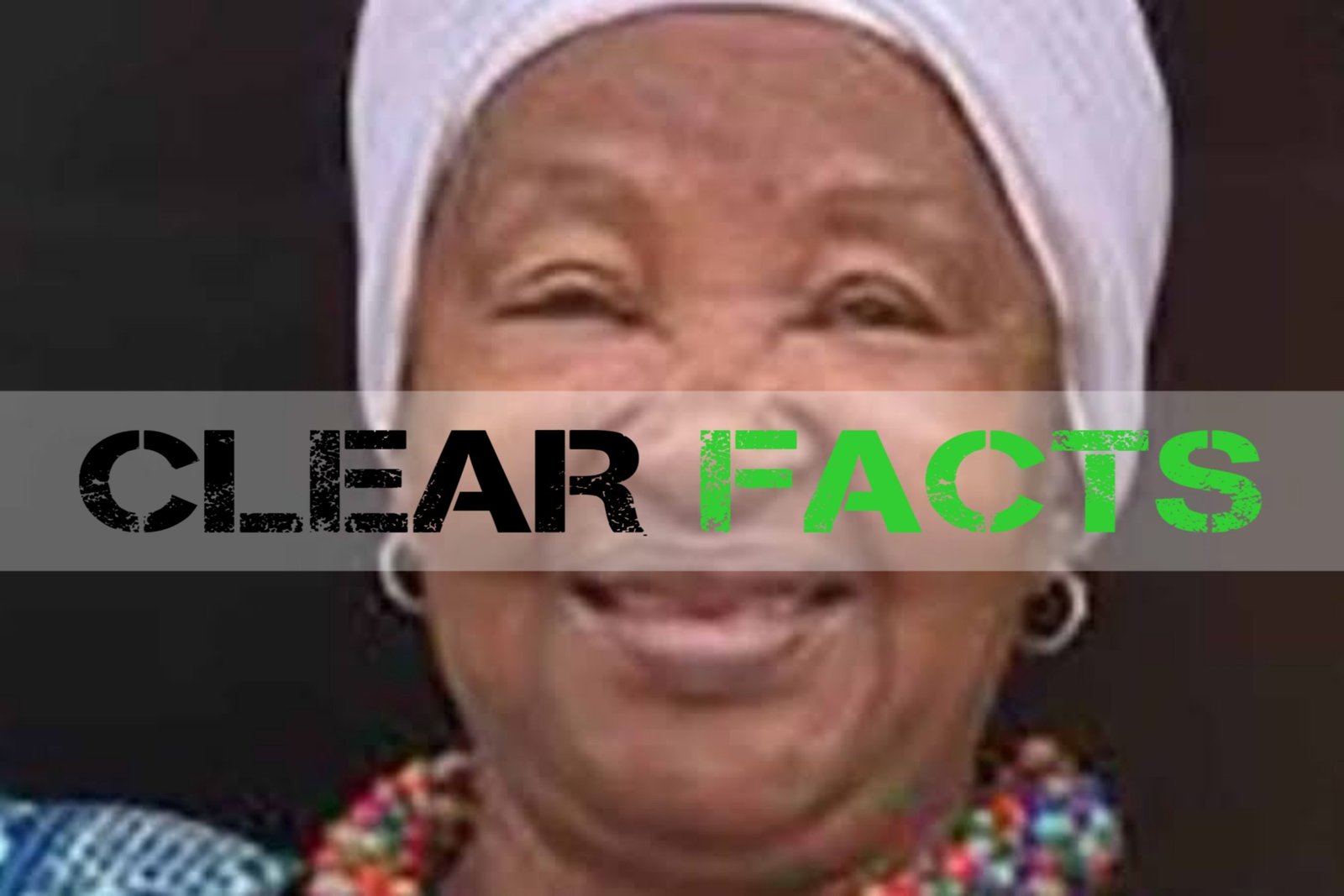
Nolusapho Mandela was born in 1950 in South Africa. She grew up in a traditional household where values of humility and resilience shaped her character. Her early education was in local schools, and she carried those lessons into her adult life. She later married Makgatho Mandela, the son of Nelson Mandela, and became part of the Mandela family legacy. Together they had children, including Chief Mandla Mandela, who went on to become a traditional leader and politician.
Nolusapho Mandela dedicated her life to family and community. She was known for her compassion, dignity, and ability to unite people. She supported her family through times of transition and carried the Mandela name with grace. Her influence was felt not through public office but through her role as a matriarch who nurtured values of service and care.
Her achievements included being recognized as a liberator of women and a servant of the people. She inspired those around her with her humility and strength. The African National Congress honored her for her contribution to family and society, describing her as a revered matriarch who shaped lives and institutions with compassion.
She lived in South Africa, spending much of her time in Johannesburg and the Eastern Cape. Her work was centered on family and community, and she remained active in supporting her children and grandchildren. Her success was measured not by wealth but by the respect she earned and the legacy she left behind.
Nolusapho Mandela passed away on January 12, 2026, at the age of seventy-five after an illness. Her funeral was held at the Church of the Resurrection in Bryanston, Johannesburg, where family, friends, and leaders gathered to pay tribute. She was remembered as a woman of dignity, humility, and resilience. Her life continues to inspire values of compassion and unity, and her legacy remains tied to the Mandela family and the broader South African community.
Nolusapho Mandela Foundations and Formative Heritage
The foundational years of this revered South African matriarch were spent within the traditional and culturally rich landscape of the Eastern Cape. Growing up in a traditional South African household during a time of immense social and political change, Nolusapho Mandela was raised with values that emphasized communal responsibility and family honor. These early influences were critical in shaping her identity as a woman of strength and grace. Her upbringing in a rural setting provided a deep connection to her roots, which she maintained throughout her life even as she moved into the global spotlight as part of the Mandela dynasty.
Her heritage was not merely a matter of geography but a way of living that prioritized humility and service to others. While she maintained a level of privacy regarding the specific details of her parental lineage, she was widely recognized for the dignity with which she carried her family name. This formative period instilled in her the resilience needed to support one of the world’s most famous families through decades of public scrutiny and personal transition. Her life in the Eastern Cape served as the bedrock for her future role as a nurturer of unity and a custodian of the customs that bind the Mandela family together.
Nolusapho Mandela Academic Journey and Scholarly Pursuits
The educational path of this influential figure was grounded in the local schools of her home province, where she focused on the core values of service and community leadership. Nolusapho Mandela pursued her studies with a focus on developing the practical skills and emotional intelligence required to lead a large and complex family. While she did not seek a career in the traditional corporate or political spheres, her education was reflected in her sophisticated understanding of social dynamics and family governance. She believed that true knowledge was found in the ability to unite people and maintain harmony within a household.
Her scholarly interests extended beyond the classroom into the preservation of heritage and the empowerment of those around her. She was often described as a life-long student of human character, using her wisdom to mentor younger generations within the Mandela family. This educational philosophy emphasized resilience and humility over formal accolades, ensuring that those under her care were prepared for the responsibilities of their name. Her commitment to education was further evidenced by the naming of the Nolusapho Early Childhood Development Centre in the Eastern Cape, an institution dedicated to providing foundational learning to children in her home region, mirroring her own belief in the power of early formative guidance.
Nolusapho Mandela Marriage and Family Ties
The life of this matriarch was inextricably linked to the core of the Mandela family through her marriage to Makgatho Mandela, the second son of Nelson Mandela and Evelyn Mase. Through this union, Nolusapho Mandela became a vital part of a global legacy, navigating the complexities of a family that stood at the center of South Africa’s liberation struggle. Her marriage was a partnership defined by shared values and a commitment to preserving the Mandela name. As a daughter-in-law to the late global icon, she occupied a unique position, acting as a bridge between the private realities of the family and their public responsibilities.
She was the mother of Chief Mandla Mandela, who has become a prominent traditional leader and member of Parliament. Her role as a mother was her most significant undertaking, as she guided her children through the challenges of growing up under the shadow of their grandfather’s fame. She was instrumental in preparing Mandla for his role as the head of the Mvezo Traditional Council, ensuring he remained grounded in his heritage while serving in modern political institutions. Her influence within the domestic sphere was profound, as she provided the stability and nurturance that allowed her children and grandchildren to thrive within the demanding context of the Mandela legacy.
Nolusapho Mandela Matriarchal Role and Family Stewardship
Within the intricate structure of the Mandela household, this dedicated woman served as a central pillar of support and unity. Nolusapho Mandela embodied the role of a matriarch, using her presence to foster peace and cooperation among the various branches of the family. She was frequently described by those close to her as a nurturer who prioritized the well-being of the collective over individual interests. During periods of transition and the inevitable public attention that followed the Mandela name, she remained a constant and calming influence, ensuring that family bonds remained intact.
Her stewardship was characterized by a quiet but powerful dignity that inspired those around her. She did not seek the spotlight, yet her leadership was felt in every major family decision and ceremony. By exemplifying values of care and compassion, she became a role-model for other women within the family and the wider community. Her ability to lead with grace and humility earned her the respect of both her relatives and the public, cementing her reputation as a “revered matriarch.” Her life’s work was the invisible but essential task of maintaining the emotional and moral health of a family that represents the aspirations of an entire nation.
Nolusapho Mandela Significant Contributions and Public Recognition
The impact of this matriarchal figure was recognized far beyond the walls of her home, earning her the title of a “liberator of women” and a servant of the people. Nolusapho Mandela was honored by the African National Congress (ANC) and various social organizations for her selfless dedication to the upliftment of others. While she did not hold a formal political office, her contributions to the empowerment of women in rural areas and her support for community initiatives were widely noted. She was seen as a woman who used her position to advocate for the downtrodden, reflecting the humanitarian spirit of her father-in-law.
Tributes from senior political leaders often highlighted her ability to shape lives and institutions with grace. She was lauded for her work in preserving the customs and traditions of the Royal House of Mandela, particularly when she acted as its head while her son, Chief Mandla Mandela, was occupied with his duties in Parliament. Her recognition as a dedicated servant was not based on a single event but on a lifetime of daily choices to build, heal, and serve. These accolades reflect a woman whose achievements were measured by the strength of the characters she helped build and the enduring unity of the institutions she helped to manage.
Nolusapho Mandela Community Impact and Social Influence
The influence of this compassionate leader was felt most strongly through her quiet advocacy for the values of resilience and service. Nolusapho Mandela used her platform within the Mandela family to promote a vision of a society built on mutual respect and care. She was a constant presence at community events in both the Eastern Cape and Johannesburg, where she interacted with ordinary South Africans with genuine warmth and interest. Her social influence was rooted in her ability to inspire others to act with dignity, regardless of their circumstances or social status.
She was particularly focused on the needs of the vulnerable, often supporting local projects that provided aid to women and children. Her influence was not about wielding power, but about the “living practice” of heritage—something she wore, sang, and taught. By making her life an example of selflessness, she encouraged a culture of service within her community. This social legacy is visible in the schools and centers that bear her name, which continue to operate as beacons of hope and progress. Her ability to inspire a sense of duty in others ensured that her values would continue to influence South African society long after her active participation in public life ceased.
Nolusapho Mandela Geographic Presence and Residential Life
The life of this influential woman was spent primarily between the urban landscape of Johannesburg and the rural valleys of the Eastern Cape. Nolusapho Mandela maintained homes in both regions, allowing her to stay connected to the traditional heartland of the Mandela family while participating in the vibrant social and political life of the city. In Johannesburg, she was a respected figure in the Bryanston community, where she attended local religious services and public ceremonies. Her presence in these urban spaces brought a sense of traditional gravitas to the modern metropolis.
However, it was in the Eastern Cape, particularly in areas like Mvezo and Qunu, where her roots ran deepest. She spent much of her time in these rural villages, overseeing family properties and participating in the local customs that define the Thembu people. Her residences were not merely houses but hubs of family activity and community engagement. Whether she was in the bustling city or the quiet countryside, she remained accessible to those who sought her counsel or assistance. This dual geographic presence allowed her to bridge the gap between rural tradition and urban modernity, making her a relatable and respected figure across the diverse spectrum of South African life.
Nolusapho Mandela Final Chapter and Commemorative Tributes
The passing of this revered matriarch on 12 January 2026 marked the end of an era for the Mandela family and the nation. Nolusapho Mandela succumbed to an illness at the age of 75, leading to a profound outpouring of grief from across the world. Her funeral was held at the Church of the Resurrection in Bryanston, Johannesburg, a ceremony attended by senior government officials, family members, and members of the public who came to pay their last respects. The event was a somber yet celebratory reflection of a life lived with extraordinary dignity and purpose.
Commemorative tributes described her as a woman who carried the Mandela name with honor until her final breath. ANC Secretary-General Fikile Mbalula and other prominent leaders spoke of her as a “revered matriarch” whose legacy was one of love, grace, and resilience. These tributes emphasized that while she may have ceased to be physically present, her spirit would live on in the hearts of those she touched. The global response to her death highlighted the respect she had earned through her decades of quiet service, ensuring that her contribution to the Mandela story would be remembered alongside the great deeds of her more famous relatives.
Nolusapho Mandela Enduring Legacy and Future Remembrance
The legacy left behind by this selfless leader is one of family unity and the quiet power of character. Nolusapho Mandela will be remembered as a woman who successfully navigated the pressures of a legendary name while remaining true to her own values of humility and compassion. Her life serves as an inspiration for future generations of South Africans, demonstrating that leadership is found in the daily choice to serve others and build a stronger community. She remains a symbol of the strength of the African matriarch, a figure who holds the fabric of family and society together with grace.
Future remembrance of her will be centered around the institutions and lives she helped to shape. Her role as the mother of Chief Mandla Mandela and the widow of Makgatho Mandela ensures her a permanent place in the history of the Mandela lineage. However, her true legacy is found in the values of resilience and care that she instilled in her descendants. As long as the Mandela name is carried with dignity, the influence of Nolusapho will be felt. Her life remains a testament to the fact that heritage is a living practice, and her memory will continue to be honored as a source of hope and inspiration for the downtrodden and the resilient alike.
Nolusapho Mandela Age (Chronological Lifecycle Phases and Historical Generational Records)
Nolusapho Mandela, also known as Nolusapho Mandela-Perry, was born in 1950. At the time of her passing in January 2026, the specific Nolusapho Mandela age was 75 years, though some sources cited 76. Her exact day and month of birth are not publicly documented in official records.
Nolusapho Mandela Husband (Marital Partnership Status and Private Domestic Union Context)
Nolusapho Mandela was the wife of Makgatho Mandela. Her husband was the second son of the late Nelson Mandela and Evelyn Mase. He passed away on January 6, 2005. She was formally recognized as his widow and carried the Mandela family name during her tenure as a matriarch.
Nolusapho Mandela Nationality (Sovereign Allegiance and Global Legal Identity Framework)
Nolusapho Mandela was a South African national. She held South African citizenship and was an prominent figure within the nation’s political and traditional landscape. Her legal and civil identity was rooted in the Republic of South Africa throughout her life and public service.
Nolusapho Mandela Tribe (Ancestral Cultural Heritage and Ethnic Identity Roots)
Nolusapho Mandela belonged to the Thembu tribe. This ethnic group is a subgroup of the Xhosa-speaking people of South Africa. She was specifically integrated into the Madiba clan through her marriage into the Mandela family. Her tribal identity was rooted in the customs and traditions of the AbaThembu nation.
Nolusapho Mandela Children (Parental Legacy Aspects and Multi-Generational Family Successors)
Nolusapho Mandela was the mother of Mandla Mandela. Her son, born in 1974, serves as a traditional leader and politician in South Africa. She was married to Makgatho Mandela, with whom she also shared other children within the larger family structure.
Nolusapho Mandela Profile Table (Vital Statistics Summary and Essential Biographical Overview)
| Profile | Information |
| Nolusapho Mandela career | Matriarch and Social Influencer (Mandela Family) |
| Nolusapho Mandela real name | Nolusapho Mandela-Perry (Born Rose Rayne Perry) |
| Nolusapho Mandela age | 75 years (at time of death in 2026) |
| Nolusapho Mandela date of birth | 1950 |
| Nolusapho Mandela net worth | Not known |
| Nolusapho Mandela wife / spouse | Makgatho Mandela (Deceased) |
| Nolusapho Mandela children | Mandla Mandela, Ndaba Mandela, Mbuso Mandela, and Andile Mandela |
| Nolusapho Mandela parents | Not known |
| Nolusapho Mandela religion | Christianity (Methodist) |
| Nolusapho Mandela state of origin | Eastern Cape, South Africa |
| Nolusapho Mandela alma mater | Not known |
| Nolusapho Mandela education | Not known |
| Nolusapho Mandela nationality | South African |
Leave a Reply